
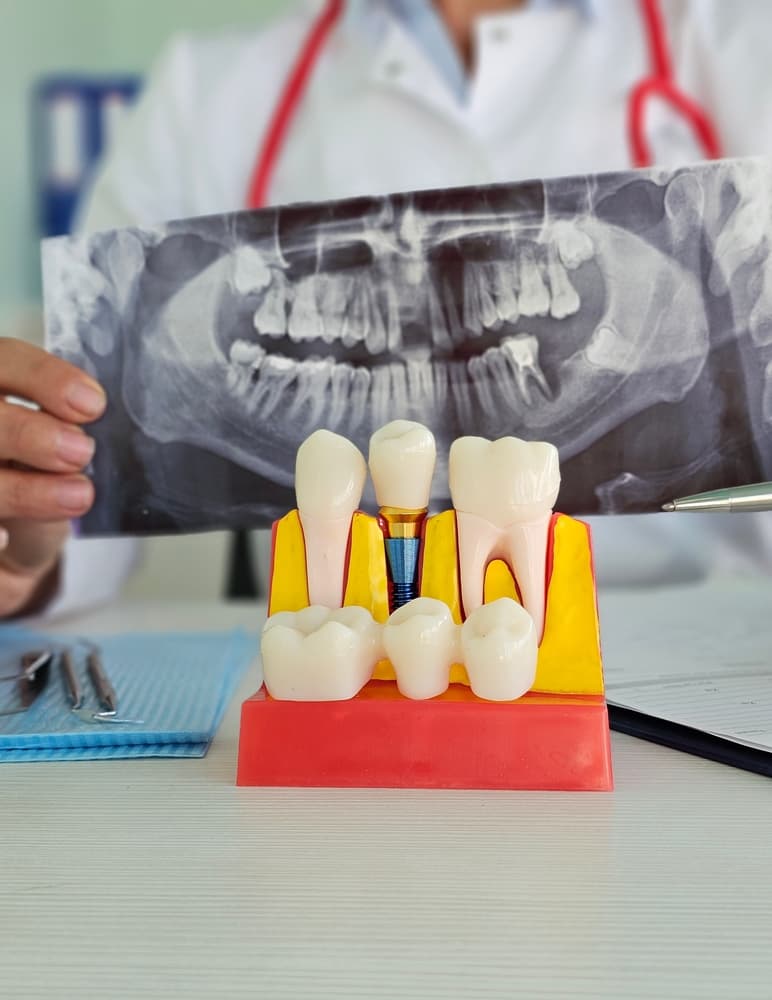
Dental implants are a popular and effective solution for replacing missing teeth, offering durability and improved oral function. However, like any surgical procedure, there can be some common issues following the dental implant procedure that patients should be aware of. Understanding these issues and knowing how to manage them can lead to a smoother recovery and long-lasting results.
At Parkview Dental Centre, a trusted dentist in Ipswich, we prioritise patient education to help you navigate the healing process with confidence.
1. Swelling and Discomfort
It is normal to experience some swelling and mild discomfort around the implant site after surgery. This usually peaks within 48 hours and gradually improves over a week.
How to manage:
- Apply a cold compress to the affected area for 15 minutes at a time during the first 24 hours.
- Take any prescribed pain relief medications as directed by your dentist.
- Avoid strenuous activities that can increase blood flow and worsen swelling.
- If the pain or swelling worsens after several days, contact Parkview Dental Centre immediately.
2. Bleeding
Minor bleeding or oozing from the surgical site is common for the first 24-48 hours after the dental implant procedure.
How to manage:
- Bite gently on a gauze pad placed over the implant site for 30 minutes to control bleeding.
- Avoid spitting, rinsing vigorously, or using straws, as these actions may dislodge the blood clot and prolong bleeding.
- If heavy bleeding persists beyond 48 hours, seek advice from your dentist in Ipswich.
3. Infection
Infections can develop if bacteria enter the implant site during the healing phase. Signs of infection include increased pain, swelling, redness, and sometimes fever.
How to manage:
- Follow all post-operative instructions carefully, including proper oral hygiene.
- Use any prescribed antibiotics as directed.
- Attend all follow-up appointments at Parkview Dental Centre to monitor healing.
- Prompt treatment is essential to prevent implant failure or more serious complications.
4. Implant Mobility or Failure
Though rare, implants may become loose if they do not properly integrate with the jawbone. This can result from infection, excessive pressure, or poor bone quality.
How to manage:
- Avoid chewing hard foods on the implant side during the initial healing period.
- Report any unusual looseness or discomfort to your dentist in Ipswich immediately.
- Your dentist may recommend additional treatment or removal if necessary.
5. Nerve or Tissue Irritation
Some patients report numbness, tingling, or irritation in surrounding tissues after surgery.
How to manage:
- Inform your dentist at Parkview Dental Centre if you experience prolonged numbness or unusual sensations.
- Most nerve irritation resolves naturally over time, but monitoring is important.
Understanding Dental Implant Costs
One of the most common questions patients have is about the dental implant cost. Prices can vary depending on the complexity of the case, the number of implants, and any additional procedures required. At Parkview Dental Centre, we provide transparent pricing and tailored treatment plans to suit your needs. During your consultation, our experienced dentist in Ipswich will discuss the full scope of the dental implant procedure and associated costs.
Why Choose Parkview Dental Centre?
As a leading provider of dental implants in Ipswich, Parkview Dental Centre offers comprehensive care from initial consultation through to implant placement and aftercare. Our team is dedicated to making your implant journey as comfortable and successful as possible.
If you are considering dental implants or are experiencing any issues after your implant surgery, contact Parkview Dental Centre for professional advice and support.
Taking the time to understand potential issues after implant surgery and following professional guidance can ensure your dental implants serve you well for years to come. Always communicate openly with your dentist in Ipswich and attend all follow-ups to keep your smile healthy.