
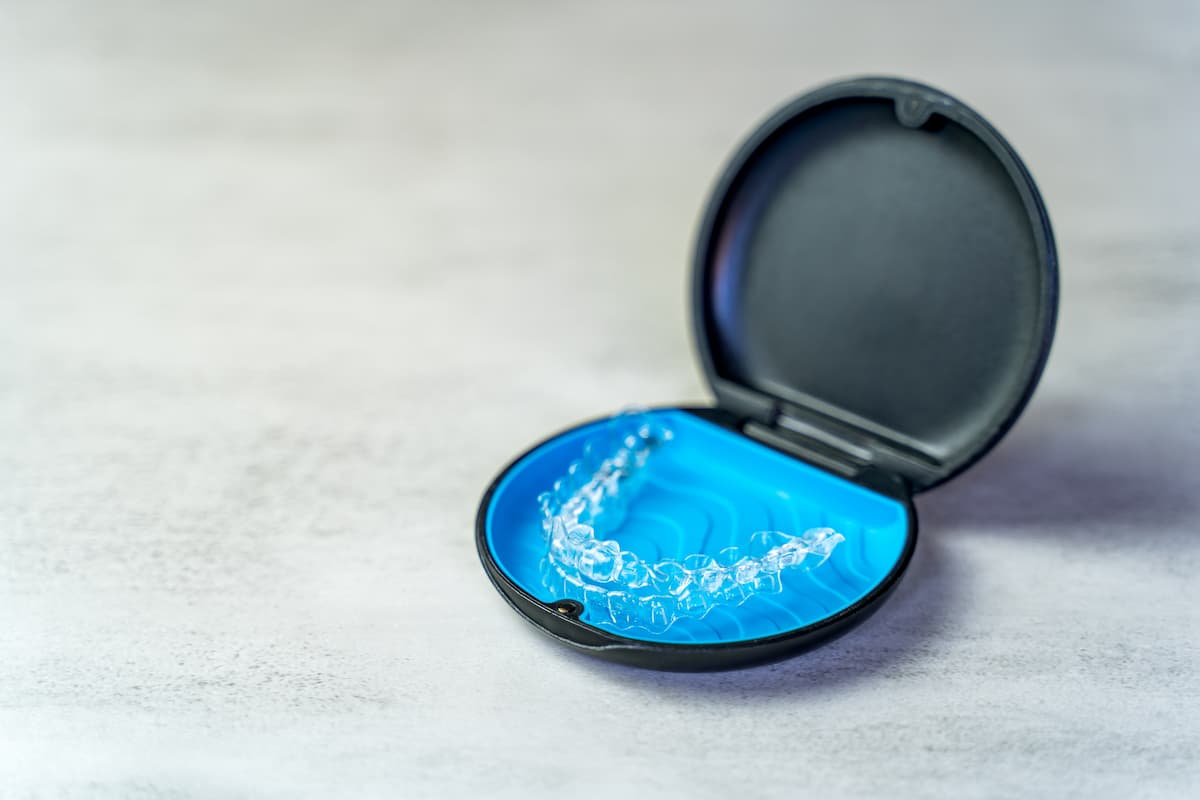
Invisalign has become a popular alternative to traditional braces for correcting a variety of dental issues. Known for its discreet clear aligners, it’s often seen as an effective option for people looking to straighten their teeth without the visibility of metal braces. But what about more complex dental issues like overbites, underbites, or crossbites? Can Invisalign address these concerns?
At Parkview Dental Centre, we are frequently asked about Invisalign’s ability to correct these types of bite issues. Let’s take a closer look at how Invisalign works and whether it's a suitable solution for these concerns.
Understanding Overbites, Underbites, and Crossbites
Overbite: This occurs when the upper teeth significantly overlap the lower teeth when the mouth is closed. It can be caused by genetics or habits such as thumb-sucking.
Underbite: In an underbite, the lower teeth extend beyond the upper teeth. This misalignment can impact chewing and speaking.
Crossbite: A crossbite happens when some of the upper teeth sit inside the lower teeth, either at the front or back of the mouth. This misalignment can cause tooth wear, gum disease, and bone loss over time.
Can Invisalign Help With These Conditions?
Invisalign’s clear aligners are designed to gradually move teeth into better positions. They are custom-made to fit your teeth, and the treatment involves changing aligners every few weeks as the teeth shift.
For issues like overbites, underbites, and crossbites, Invisalign can be an effective solution, but there are important considerations.
Overbites
Invisalign can correct overbites, but the complexity of the treatment depends on the severity of the case. For mild to moderate overbites, Invisalign can be highly effective. The aligners apply gentle pressure to the teeth, moving the upper teeth back and the lower teeth forward into proper alignment.
However, in severe overbite cases, Invisalign might not be sufficient on its own. Additional tools such as attachments (small bumps bonded to the teeth) or rubber bands may be used alongside the aligners to achieve the desired result.
Underbites
Underbites, where the lower teeth extend beyond the upper teeth, can also be addressed with Invisalign. Similar to overbites, the success of treatment depends on the severity of the underbite. Mild underbites can often be corrected with clear aligners alone, while more severe cases may require a combination of aligners and other dental devices.
In Invisalign treatment for underbites, the aligners work to move the lower teeth into a more natural position and bring the upper teeth forward. Regular monitoring by your dentist is key to ensuring that the treatment progresses as planned.
Crossbites
In the case of crossbites, Invisalign can help reposition the teeth into proper alignment. Clear aligners can gradually shift the teeth so that they no longer overlap improperly. Just as with overbites and underbites, the severity of the crossbite will determine whether Invisalign alone is enough or if additional treatments are necessary.
In some instances, Invisalign aligners can also be paired with elastics (small rubber bands) to apply additional pressure and correct the bite.
Why Choose Invisalign?
Invisalign offers several benefits over traditional braces, especially for those looking to fix bite problems discreetly. The clear aligners are removable, making it easier to maintain oral hygiene compared to metal braces. Additionally, Invisalign typically requires fewer adjustments and can be a more comfortable experience for patients.
The Invisalign cost is often a consideration for many patients. While it may vary depending on the complexity of the case, many find it to be a reasonable investment in their dental health and overall well-being. If you're considering Invisalign, it's worth consulting with us at Parkview Dental Centre in Ipswich about the most accurate estimate for your situation.
To ensure proper care of your aligners, using an Invisalign cleaner is recommended. This cleaner helps to keep your aligners fresh and free from bacteria, allowing you to maintain optimal oral hygiene throughout the course of your treatment.
However, it’s important to consult with your dentist to determine if Invisalign is the right solution for your specific bite issue. At Parkview Dental Centre, we provide personalised assessments and treatment plans tailored to your needs. Our team will evaluate your bite and help you understand the best course of action for achieving optimal results. Invisalign is an effective treatment for addressing overbites, underbites, and crossbites, especially for mild to moderate cases.
For more severe issues, additional treatments may be required, but the technology behind Invisalign has advanced enough to address a wide range of bite misalignments. If you're considering Invisalign as a solution, reach out to Parkview Dental Centre for a consultation. Our team is here to guide you through the process and help you achieve the smile you’re looking for.